
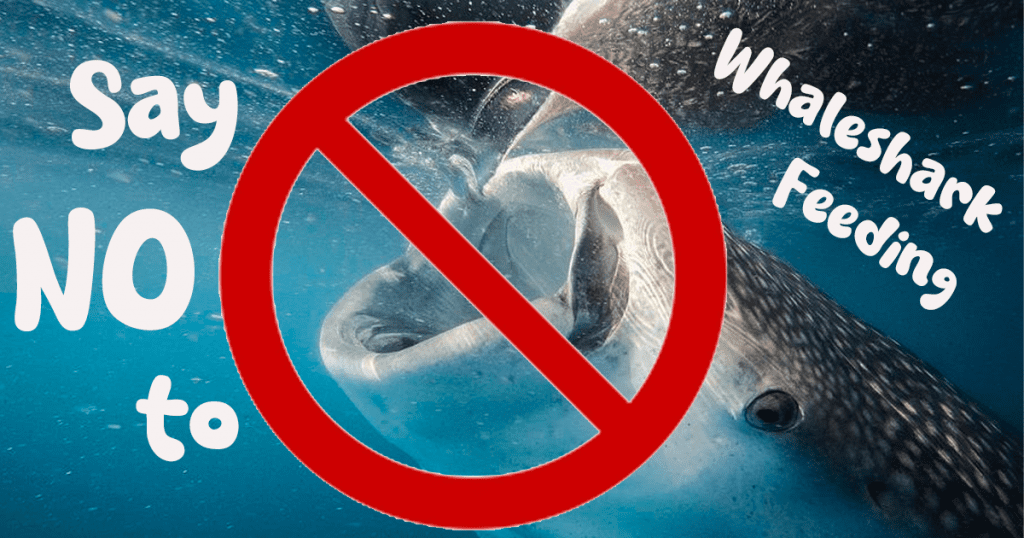
You should avoid the Oslob whale shark attraction due to serious ethical and environmental concerns, primarily that it forces wild, migratory sharks to become reliant on human feeding. This practice disrupts their natural migration, causes malnutrition, results in physical injuries from boat propellers, and creates an overcrowded, unethical “zoo” experience.
While Oslob is a famous destination for swimming with whalesharks, there are significant ethical, environmental, and experiential reasons why many travelers and conservationists advise against visiting.
1. Ethical & Environmental Concerns
-
- Disrupted Migration: Whale sharks are naturally migratory. In Oslob, they are fed year-round to guarantee sightings, which disrupts their natural movement and may impact long-term breeding cycles.
-
- Poor Nutrition: The sharks are fed a limited diet of imported krill (uyap) that lacks the variety of nutrients they would get from foraging naturally in the wild.
-
- Behavioral Changes: Regular feeding conditions the sharks to associate boats and humans with food. This makes them more vulnerable to injuries from boat propellers and poaching in other regions.
-
- Physical Injuries: Sharks often develop white, spongy lesions around their mouths from repeatedly rubbing against the wooden outrigger boats during feeding.
2. Poor Visitor Experience
-
- Overcrowding: The site is often described as a “circus” or “human zoo.” You may be in the water with hundreds of other tourists at once, leading to a chaotic experience.
-
- Unnatural Interaction: Instead of seeing sharks swimming freely, you typically see them hanging vertically in the water to feed from boats.
-
- Safety Issues: In crowded or windy conditions, swimmers have reported being hit by boats or other tourists’ flippers.
-
- Strict Restrictions: To protect the sharks, you are forbidden from wearing sunscreen or using camera flashes.
3. Better Alternatives
If you want a more ethical encounter with whale sharks in their natural habitat, consider these locations in the Philippines:

